
Learn Everything You Need to Know About Feeding Horses
Quick Answer: What Should a Horse Eat?
The basis of a horse's diet should be quality forage, accompanied by clean water and a ration adjusted to its workload, age, weight, and health status. Feeds and supplements do not replace forage; they complement it when there is a real need.
To improve a diet, start with the basics: amount of hay or pasture, body condition, feeding schedule, access to salt, and progressive changes. Abrupt changes are one of the most common causes of digestive problems.
- Forage: hay or pasture as the daily base of the diet.
- Water: always available, clean, and in sufficient quantity.
- Feed: adjusted to the workload; not "more" as a general rule.
- Supplements: only if they address a specific deficiency or goal.
Welcome, horse lovers! If you're here, it's because you're passionate about caring for your equine companions, and today we'll delve into the world of horse feeding. Get ready to discover everything you need to know to keep your horse healthy and happy.
What is a horse's diet?
Before we dive into the details, let me ask a question that often goes unnoticed: Do you really know in depth what your horse eats? If you still have doubts or simply want to ensure you're providing the best possible diet, you're in the right place.
What Do Horses Eat?
Basic Diet
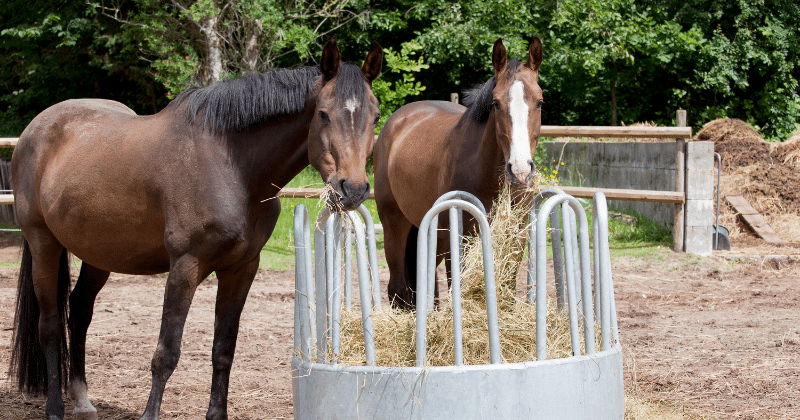
Let's start with the essentials. Horses are herbivores, meaning their diet consists mainly of forage. This includes good quality hay, fresh pasture, and, in some cases, silage. These foods form the basis of the equine diet and provide the necessary fiber to maintain a healthy digestive system.
Healthy and Nutritious Foods for Equines
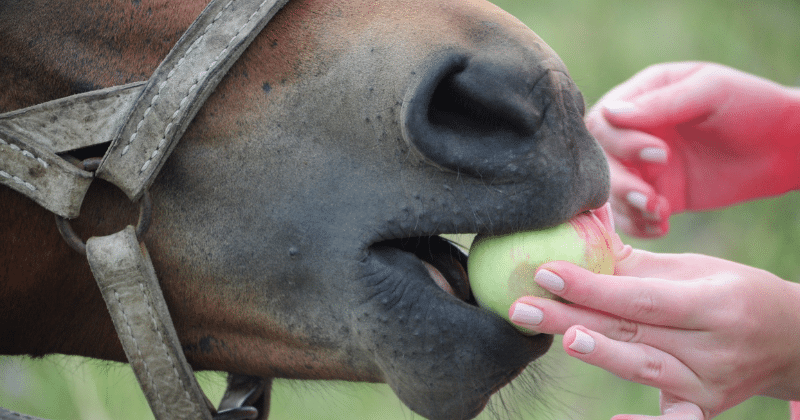
In addition to forage, it is crucial to incorporate foods that provide essential nutrients for the horse. Grains, such as oats and barley, are excellent sources of energy. Legumes and oilseeds can also be beneficial to supplement the diet with healthy proteins and fats.
Main Aspects of Horse Feeding
Nutritional Balance in the Equine Diet
Maintaining a proper balance in the diet is key to the horse's overall health. Make sure to provide the correct amount of proteins, carbohydrates, and fats. Consult with a veterinarian or equine nutritionist to adapt the diet to your horse's specific needs, considering factors such as age, activity, and physical condition.
Supplements and Vitamins for Animal Welfare
Sometimes, it is necessary to supplement the diet with additional vitamins and minerals. However, it is essential to do so carefully and under professional guidance. Not all horses require the same supplements, and an excess can be harmful.
Practical Tips
How to Know What Food is Right for My Horse?
The answer is not always simple, but observing your horse can give you clues. A shiny coat, consistent energy, and an appropriate body weight are signs of a balanced diet. Closely monitor their behavior and adjust feeding as necessary.
Managing Horse Feeding at Different Life Stages
The nutritional needs of a foal differ considerably from those of an older horse. Adjust the diet according to your companion's life stage, paying special attention to key moments such as weaning, intense training, or old age.
Remember, caring for your horse is not just a responsibility, it's a shared adventure!
Horse Diet: Points to Review
A horse's diet should start with forage, clean water, and a stable routine. Then, feed, salts, or supplements are adjusted according to activity, age, body condition, and professional recommendations.
- Forage: the basis of the diet and key for digestive health.
- Feed: adapted to workload and energy expenditure.
- Water and salts: important in hot weather, transport, and exercise.
- Supplements: only when they make sense for a specific need.
If you are looking for related products, check out horse supplements, stable and tack room, and horse care and cleaning.
Criterion and Welfare Note
This guide is for informational purposes only and does not replace the advice of an equine veterinarian or nutritionist. Before changing a horse's diet, evaluate age, body condition, workload, access to forage, and potential pathologies with a professional.
Shop by need
Take care of their diet with our selection of feed and supplements at Rincón del Valle.
Horse Feeding: Points to Review
A horse's diet must be adjusted to its age, workload, body condition, digestive health, and availability of forage. There is no single diet valid for all.
- Forage: should be the basis of the diet for most horses.
- Water: constant access to clean water is essential.
- Gradual changes: prevent digestive problems when introducing new foods.
- Supplements: only make sense when they address a specific need.
Useful related links:
In case of weight loss, colic, changes in appetite, or pathologies, it is correct to consult with a veterinarian or equine nutritionist.
How to Review Your Horse's Diet Without Complicating It
A correct diet doesn't have to be complex, but it does have to be consistent. Observe weight, coat shine, energy during work, quality of feces, and appetite. These indicators help detect if something is off.
If the horse loses weight, runs out of energy, changes character, or has colic, don't improvise with supplements: review the ration with a professional and check the cause before adding products.
