
The Importance of Horse Boots
The Best Protectors for Your Horse

Bestseller
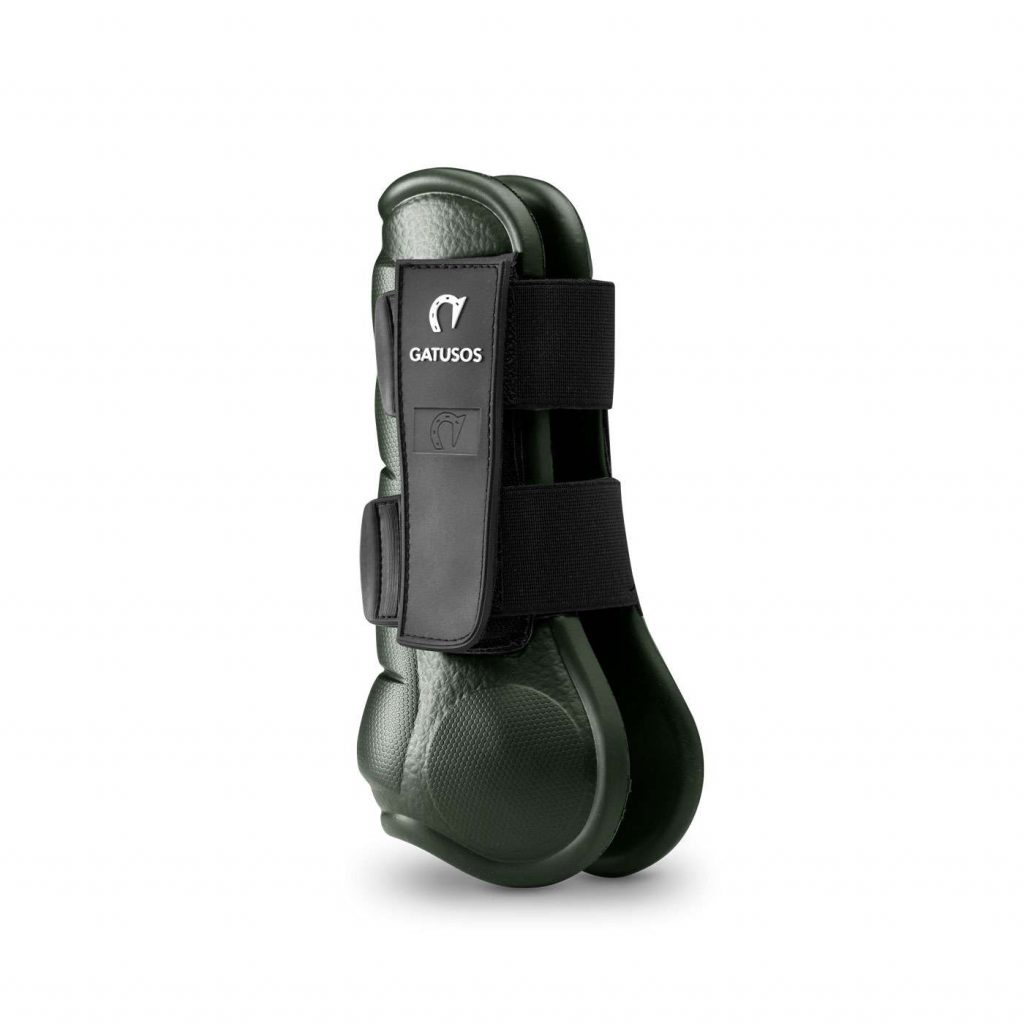
Best Value for Money
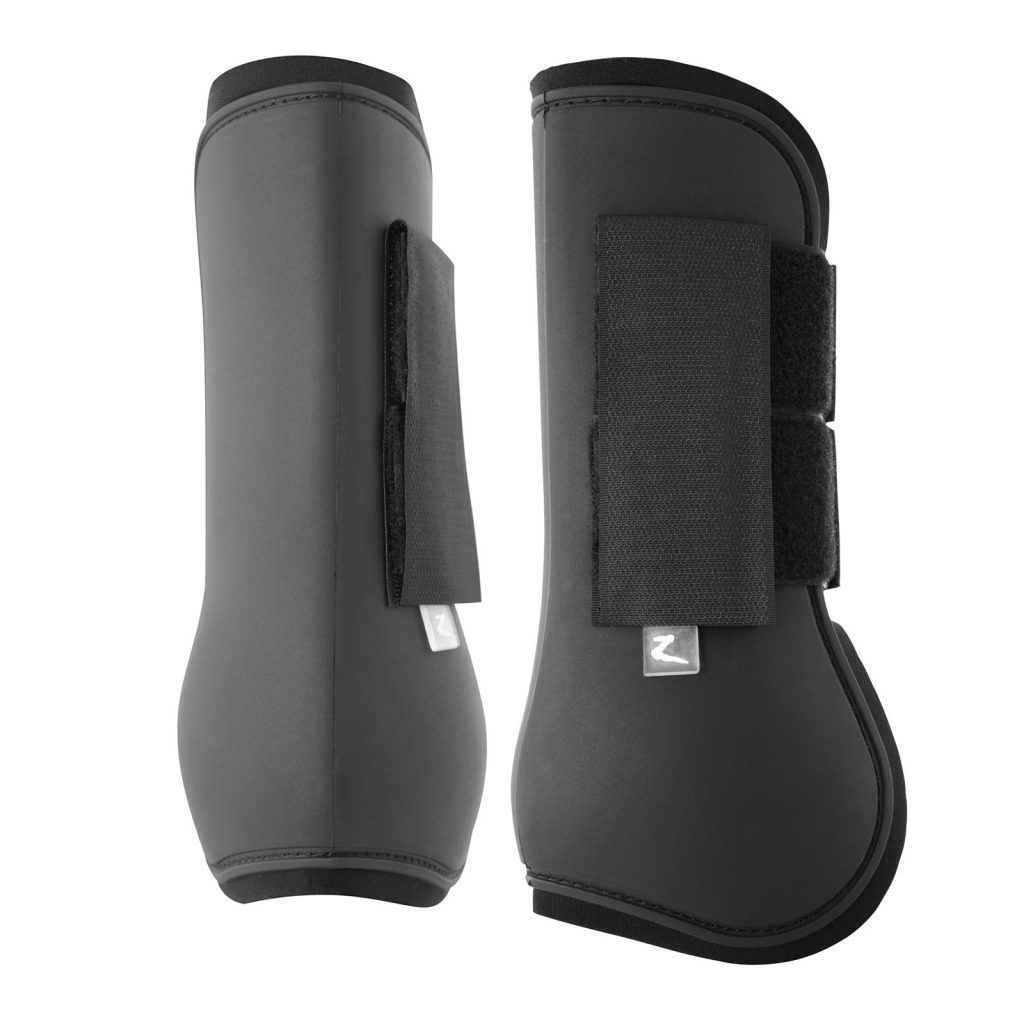
Best for Beginners
Horse boots are a key element in equestrianism and the health of these animals. These accessories are used to protect horses' forelegs and hind legs from injuries and contusions during training, transport, and competition. Some protectors can also reduce muscle fatigue and prevent inflammation, which can help keep horses comfortable and in optimal condition. It is important to choose the right type of protector according to the specific needs of each horse and the discipline in which it will be used, as different modalities may require different levels of protection. In summary, horse boots are a fundamental tool for their care and well-being during equestrian practice. That's why we want to tell you a bit more about their benefits, the types of boots available, and, of course, our recommendations.BENEFITS OF HORSE BOOTS
As we mentioned before, horse boots are a very useful tool to protect these animals' limbs during various activities. Below, we list some of the benefits they can provide: -Protection against impacts: This protection can help prevent injuries caused by impacts or blows, especially in disciplines such as show jumping or racing where the horse may suffer contusions on its forelegs or hind legs (horses don't have paws, they have forelegs and hind legs). -Injury prevention: Some horses may be prone to limb injuries due to their anatomy or the activities they perform. Protectors can help prevent these injuries by providing additional padding and reducing pressure on joints and soft tissues. -Aid in injury recovery: If a horse has suffered an injury to its forelegs or hind legs, protectors can help in its recovery by providing additional protection while the wound heals. -Protection against extreme weather conditions: In situations of extreme cold or intense heat, they can also help protect the horse's legs from cold or excessive heat, preventing possible damage to soft tissues. However, each horse is different, so it is advisable to consult a veterinarian or an equestrian expert to determine if they are necessary and what type of protector is most suitable for each animal and activity.TYPES OF PROTECTORS
There are several types of leg protectors for horses on the market. We can classify them according to their design for different protection or activities. First, we will classify them according to the area of the limbs they protect: - Tendon boots: These boots are the most common, covering the tendon area, and are suitable for show jumpers or for those that need greater tendon support. They are made of resistant materials and can have different levels of padding for greater protection. Within tendon boots, there are different types depending on their rigidity and level of protection:- Rigid boots: These are the most resistant and provide the greatest protection for the tendons. They are made of durable materials such as plastic or carbon fiber and usually have an anatomical shape that fits the horse's tendons. They are ideal for disciplines where a higher level of protection is required.
- Semi-rigid boots: They offer an intermediate level of protection and flexibility. They are made of materials such as neoprene, leather, or synthetic materials and also usually have an anatomical shape that fits the horse's tendons. They are suitable for disciplines such as dressage, or for daily training.
- Bandages: Bandages are a type of protector that is wrapped around the horse's limb and fastened with Velcro. They offer an intermediate level of protection and are suitable for disciplines such as dressage.
 - Bell boots: We commonly call them bell boots. These protectors are placed on the horse's hooves to prevent them from wearing down on hard or slippery terrain, and also to protect them from bumps and trauma. For example, in certain disciplines, it is very common for horses to "overreach," meaning the horse "steps" on its front feet with its hind feet, which can cause injuries to the front feet. The most common types of bell boots are:
- - Rubber bell boots: These are the most common type of bell boots for horse hooves. They are made of rubber or neoprene and are water-resistant and wear-resistant. They are durable and easy to clean, making them ideal for daily use.
- Leather bell boots: These are more durable than rubber bell boots and provide greater protection against bumps and abrasions. However, they are less water-resistant and can be more difficult to clean.
- Neoprene bell boots: This model is lighter and water-resistant, making these bell boots ideal for use on wet terrain. They provide good protection against bumps and abrasions but can wear out over time.
- Padded bell boots: Padded bell boots are designed to provide an additional layer of protection to the horse's hooves. They are made of materials such as wool or cotton and provide greater comfort and protection for the horse.
 - Shipping boots: These protectors are designed specifically for use during horse transport in a trailer or truck. They protect the horse's limbs from injuries caused by movement and vibrations during the journey. It is also advisable to use Head protectors and Tail protectors:
- Head protectors: These protectors fit over the horse's head and offer protection for the eyes and face, preventing them from hitting anything during transport.
- Tail protectors: These protectors fit over the horse's tail and protect against cuts and chafing that can occur from rubbing against the trailer wall.
 Remember that not all protectors are suitable for all disciplines and activities. We must choose protectors according to the specific needs of the horse and the activity to be performed. And that is why we also believe it is important to classify protectors by discipline:
- Show Jumping: Leg boots are essential for show jumpers. These protectors are usually thicker at the bottom to provide additional protection against impacts and joint injuries.
- Dressage: Protectors are also common in dressage, but shin and tendon boots are used. These are usually lighter than jumping boots, as dressage involves softer and more controlled movements.
- Endurance Riding: The most common protectors used in endurance riding are rigid tendon boots, but hoof protectors and shin protectors are also used. These protectors are very important to protect the horse's limbs and hooves during the journey.
- Western riding: Western horses not only use protectors to protect their front and hind legs, but also use chest and neck protectors to guard against branches and other obstacles during rides.
RECOMMENDATIONS
The proper placement of horse boots is essential to ensure the protection of the animal's limbs:- Start by brushing the horse's leg to ensure it is clean and dry.
- Make sure the boot is placed in the correct position to completely cover the tendon area and joint.
- It should be snug but without restricting the horse's movement.
- The fastenings should be securely attached, but not too tight. It is important that the fastenings are secure to prevent the boot from slipping or moving during exercise.
- Before applying the bandages, make sure the horse's limbs are clean and dry. Also, make sure the bandages are clean and free of any foreign objects.
- Start by placing the bandage just below the horse's knee or hock, and secure the bandage with one turn. It is important to bandage in a clockwise direction. Then, start rolling the bandage downwards, covering the horse's leg with an even layer until it reaches above the hoof, and then roll back up to where you started. Make sure not to wrap the bandage too tightly, as this can restrict blood circulation.
- The bandages have Velcro, which you can use to secure the bandage once it is in place.
- Repeat the process on the other leg of the horse and check that the bandages are placed evenly and securely on both limbs.
- Shipping boots: For shipping boots, it is important to ensure they are snugly fitted around the horse's limbs and do not slip or move during transport. Make sure the bottom of the protector is in the correct position to protect the hooves and tendons, and that the fastenings are securely attached.
- Stable boots: Stable boots should be snug and positioned correctly on the horse's front and hind legs. The protectors should completely cover the area from the hoof to the knee or hock, as appropriate. Make sure the protectors are not too tight and allow sufficient ventilation.
- Tendon boots: For tendon boots, it is important that the fastenings are securely attached and that the protectors are correctly fitted to the limbs. Make sure the protectors are placed in the correct position to protect the tendons and joints. In addition, it is important that the bell boots are correctly positioned to protect the hooves from impacts and injuries.
- Never use a protector that is wet or damp, as this can cause skin issues for the horse. Even avoid placing protectors if the horse is sweaty.
- Always ensure that the protectors to be applied are perfectly clean, as any dirt can cause uncomfortable rubbing and sores. Also, check that the area of the horse where the protector will be placed is perfectly clean and as dry as possible.
- Protectors should only be placed on the animal for a short period of time, as otherwise, dirt can accumulate inside them, causing chafing and wounds.
- Replace protectors periodically; never use them if they are worn out or if you have any doubt that the Velcro or fastening method will not hold correctly.
Discover the full variety of protectors here.
Horse boots: when they make sense
Horse boots help reduce impacts and rubs during work, transport, or specific disciplines. The key is to choose the right type and adjust them without tightening or limiting movement.
- Daily work: lightweight and breathable options for regular training.
- Jumping: protection designed for impacts and chafing.
- Transport: longer models for travel and transfers.
- Bell boots: useful when the horse tends to overreach or needs hoof protection.
You can also continue comparing in these sections:
Do all horses need boots?
Not always. It depends on the horse's work, conformation, discipline, and history. If there are doubts due to injury or sensitivity, it's advisable to consult a professional.
Protect your horse with our selection of horse boots at Rincón del Valle.
How to choose boots based on use
Not all boots serve the same purpose: training, jumping, transport, and rest have different needs.
Check size, closure, ventilation, and protection area before choosing. A boot that is too large or too small can move and lose effectiveness.

1 comment
It’s very interesting! If you need help, look here: ARA Agency