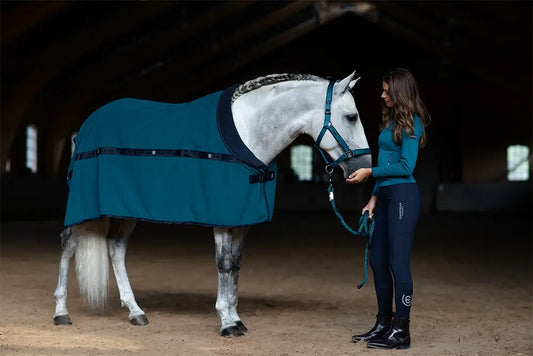
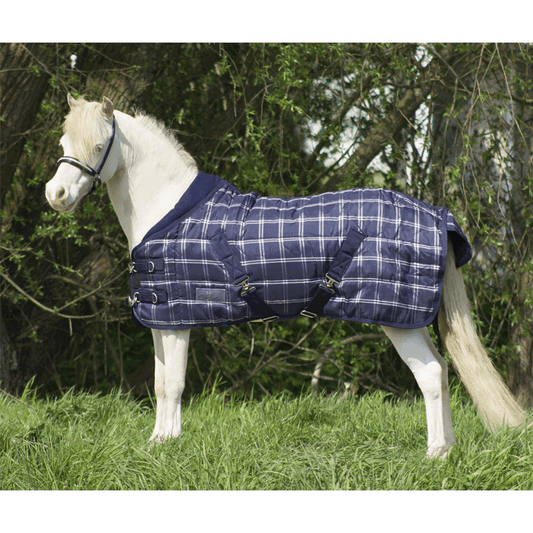
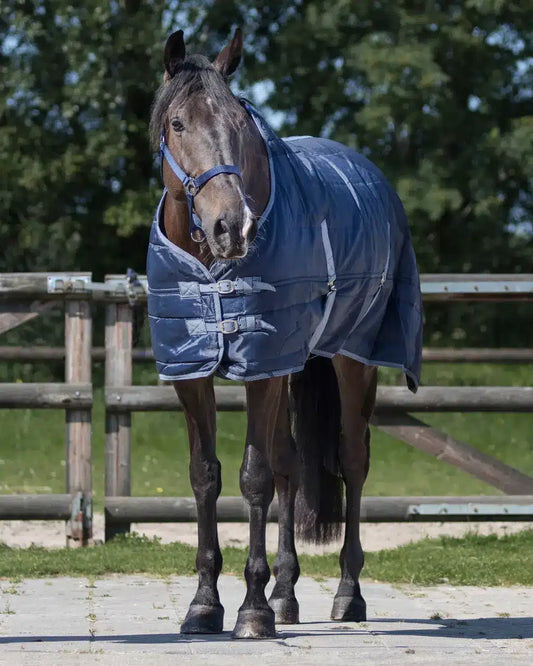
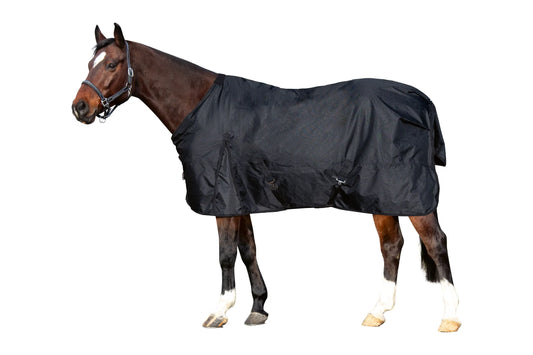
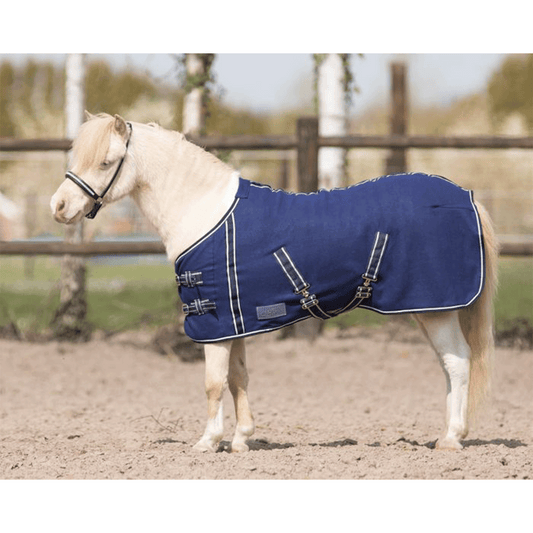
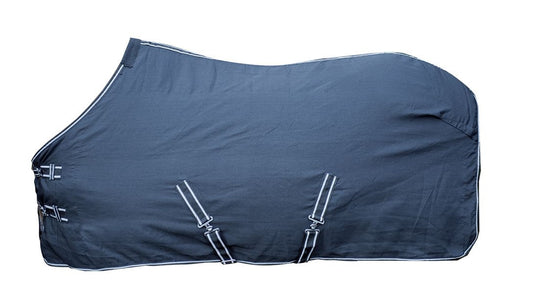
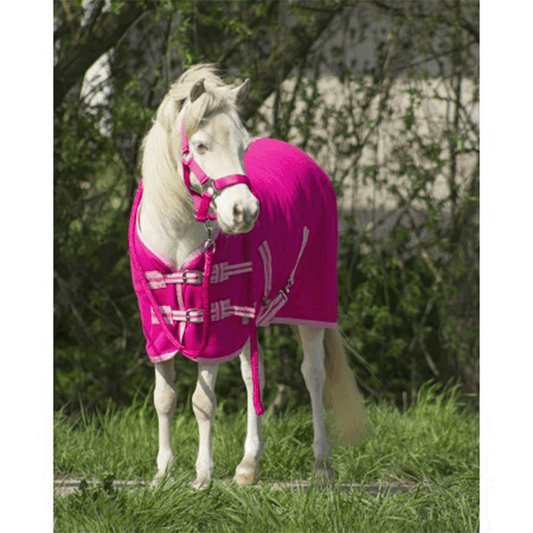
Horse blankets: protect your equine companion from the cold
Complete Guide to Horse Blankets
In the vast world of equestrianism, the comfort and well-being of our four-legged companions are always a priority. When it comes to keeping our horses warm and dry in adverse weather, there's nothing like a good equine blanket. That's why at Rincón Del Valle, we understand the importance of this essential accessory for your horse.
In this article, you will dive into the world of horse blankets, discovering the types available, materials and design, tips for choosing the right blanket, and how to care for these garments so they last.
And now, join us on this informative journey!
Why are horse blankets important?
Horse blankets not only offer protection from cold and rain but also play a crucial role in your horse's health and well-being. Here are some reasons why these blankets are essential:
- Temperature regulation: Blankets keep horses warm during winter, preventing them from getting cold and sick.
- Moisture protection: On rainy or snowy days, waterproof blankets keep horses dry and prevent moisture-related skin problems.
- Prevention of body heat loss: Thermal blankets help horses retain their body heat, which is essential, especially for younger, older, or sick horses.

Types of horse blankets
Now that you know how important blankets are for our horses, I will discuss the different types of blankets that exist. Below are some of the most common types:
Thermal Blanket
Thermal blankets are designed to maintain the horse's body heat. Therefore, they are ideal for cold climates and are commonly used during the winter season. These blankets are made with materials that trap heat and keep the horse comfortable.
Waterproof Blanket
Waterproof blankets are essential to protect your horse from rain and moisture. They keep the horse dry and prevent skin problems related to water exposure. So they are ideal for areas with humid climates or for horses that spend time outdoors.
Other types of Blankets
Besides thermal and waterproof blankets, other types of blankets are also used, though to a lesser extent:
-
Summer Blanket: Lightweight and breathable, this blanket protects the horse from insects and sun. Ideal for warm climates.
-
Stable Blanket: Used indoors, it keeps the horse clean and warm in the stable. It is not waterproof.
-
Competition Blanket: Designed to keep the horse clean and presentable during equestrian events. They are also used to keep the horse protected during award ceremonies.
-
Cooler or Fleece Blanket: Offers comfort and warmth in cool climates. It is used as a middle layer under other blankets.
-
Shipping Blanket: Used to protect the horse during transport, preventing it from getting dirty or cold.
-
Quarter Sheet: Used after exercise to cool the horse gradually and prevent muscle problems.
-
Fly Sheet: These blankets are designed to protect the horse from the annoyance of insects, such as flies and mosquitoes, thanks to special fabrics that act as a barrier. They are ideal during insect season to keep the horse comfortable and calm.
Horse Blanket Materials and Design.
Horse blankets are available in a wide variety of materials, such as:
- Cotton: Perfect for lightweight and breathable blankets.
- Polyester: Lightweight, resistant, and easy to maintain.
- Nylon: Robust and durable, ideal for extreme climates.
Additionally, a proper design includes secure closures, adjustable straps, and an anatomical cut for greater comfort.
How to choose the right blanket for your horse?
Initially, choosing the right blanket for your horse can seem overwhelming, but by following these tips, you'll be on the right track:
Know your horse's needs: Consider your horse's age, health, and activity when selecting a blanket. Young or sick horses may need thermal blankets, while active horses may require waterproof blankets for outdoor protection.
Take proper measurements: Measure your horse correctly to ensure the blanket fits optimally. The following photo shows how to take measurements, as a blanket that is too tight or too loose can cause discomfort.
Consult an expert: If you are unsure which blanket is right for your horse, seek advice from an equestrian professional, such as those of us on the Rincón Del Valle equestrian store team. We are here to help you make the best decision.

How to care for and maintain your horse's blankets?
To ensure your horse blanket lasts and continues to protect your equine companion, it's essential to care for it properly. Some tips include:
-
Regular washing: Wash the blanket according to the manufacturer's instructions. This will prevent dirt and sweat from accumulating, which could damage the fabric over time.
-
Proper storage: When not in use, store the blanket in a clean, dry place. Avoid leaving it exposed to the sun for long periods.
-
Constant inspection: Regularly inspect the blanket for signs of wear or damage. Repair any issues immediately to prevent further deterioration.
At Rincón Del Valle, we offer a wide range of horse blankets, including custom and made-to-measure blankets to meet your horse's needs. Our goal is to provide you with quality products that contribute to your equine companion's well-being.
Don't hesitate to visit our equestrian store and consult our experts to find the perfect blanket for your horse!
In conclusion, horse blankets play a fundamental role in the protection and well-being of your equine companion. From thermal to waterproof blankets, it's important to choose the right one and care for it properly to ensure its durability. At Rincón Del Valle, we are here to help you find the ideal blanket for your horse and provide you with quality products that make a difference in their comfort and health. Trust us to protect your equine companion!
Horse blankets: rain, cold, and daily use
Horse blankets are chosen according to climate, clipping, stable or pasture life, and the animal's sensitivity. Not all provide the same warmth, nor are all designed for rain.
- Waterproof: suitable for outdoor use and rainy days if the fabric allows.
- Winter: provide more warmth depending on grammage and design.
- Presentation: prioritize appearance and cleanliness for specific occasions.
- Size: should cover well without pulling on the Withers or shifting.
You can also continue comparing in these sections:
What blanket does a horse need in winter?
It depends on temperature, coat, clipping, shelter, and activity. An unclipped horse with good shelter may need less warmth than a clipped horse or one exposed to humidity.